Slot
Where a template's children go: hm.slot() marks the place in its build().
Python only. Svelte pages lay this out with HTML and CSS.
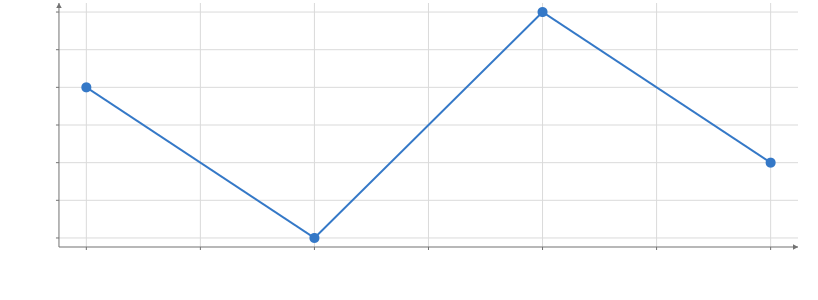
Static preview; loading the interactive plot
import hmplot as hm


@hm.template
def panel(data):
    with hm.Plot(data=data, height=300, axes2d=True):
        hm.slot()
        hm.Line(x="x", y="y")


data = {"x": [1, 2, 3, 4], "y": [3, 1, 4, 2]}
with panel(data) as chart:
    hm.Points(x="x", y="y")
chart
Usage
hm.slot() marks where a template’s caller children go. Call it once inside build() or an @hm.template function, in the data and component scope the children should inherit. A helper
called from the build may place it. A Calculate above the slot supplies its output to the
caller’s marks; a Plot above it supplies their drawing context.
with template:, template.add(...), remove and clear operate on this slot. The caller’s
children stay before anything the build creates after the slot; clearing them keeps the
built-in parts. They do not become the template’s main or named parts. Calling slot outside a
build, or twice in one template, raises. A template without one refuses caller children.
There is one unnamed slot. hm.contract(parts={...}) names existing components for property
edits and handles; it does not create named or replaceable child slots. A rebuild with template.update(...) moves the caller’s children to the rebuilt slot. Portable export needs
an empty slot; fill it after loading.
In an ordinary Svelte component, place caller children with {@render children?.()}. PortableTemplate places its Svelte children at the file’s exported slot.
See Template for parameters, updates and contracts.